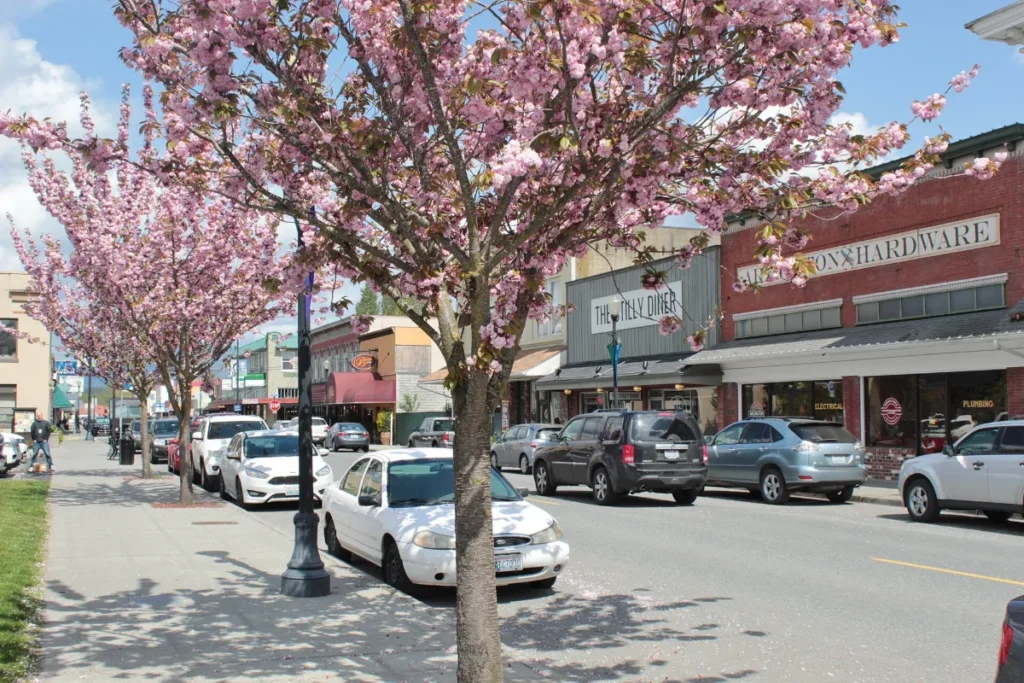
- 100% Satisfaction Guarantee
- 0% Financing Available
- 24 HR Emergency Service
- 5-Star rating
Fireplace dead on the first cold night? We handle gas fireplace repair all over Arlington, from Smokey Point inserts to propane stoves out along Jordan Road. You okay the price before we start, and same-day visits are usually open. Call (425) 225-4756.
Out here a fireplace often doubles as storm backup heat, so it has to light every time. If the main heat quits instead, we handle furnace repair too.
Natural gas from PSE or Cascade, or propane from a yard tank. Each runs at its own pressure, and we test yours against the rating plate.
A standing-pilot fireplace can still heat a room when the power drops. We measure its thermopile output so it's ready when you need it.
Every fitting we touch gets a leak test with solution, never a flame, and we watch the burner through a full cycle before packing up.
Ring us at 6 a.m. or 11 p.m. and you'll reach a person, not a phone menu. We answer 24/7, holidays included.


 Trustindex verifies that the original source of the review is Google.
 Trustindex verifies that the original source of the review is Google.
 Trustindex verifies that the original source of the review is Google.
 Trustindex verifies that the original source of the review is Google.
 Trustindex verifies that the original source of the review is Google.
 Trustindex verifies that the original source of the review is Google.
 Trustindex verifies that the original source of the review is Google.
 Trustindex verifies that the original source of the review is Google.
Homes here run from Pioneer Meadows, built around 1980, to Crown Ridge and the newer streets that followed, plus rural acreage. Pick your type below for the faults we see most and plain answers.
Many older brick fireplaces near downtown, on both sides of Division Street, now hold gas inserts. When one quits, the cause is usually the pilot assembly, a tired thermopile or a receiver that lost its pairing. We test each part before replacing anything.
Pilot lights, then drops out
Remote and receiver no longer talking
Blower stays silent once the firebox is hot
White haze building up on the glass
That depends on the ignition. A standing-pilot insert lights without house power, though the blower won’t run. Most electronic models can run on backup batteries instead, so keep a fresh set handy before storm season.
That usually points to a thermopile too weak to open the main valve, or a wall switch with a worn contact or a long wire run. A millivolt reading tells us which one it is.
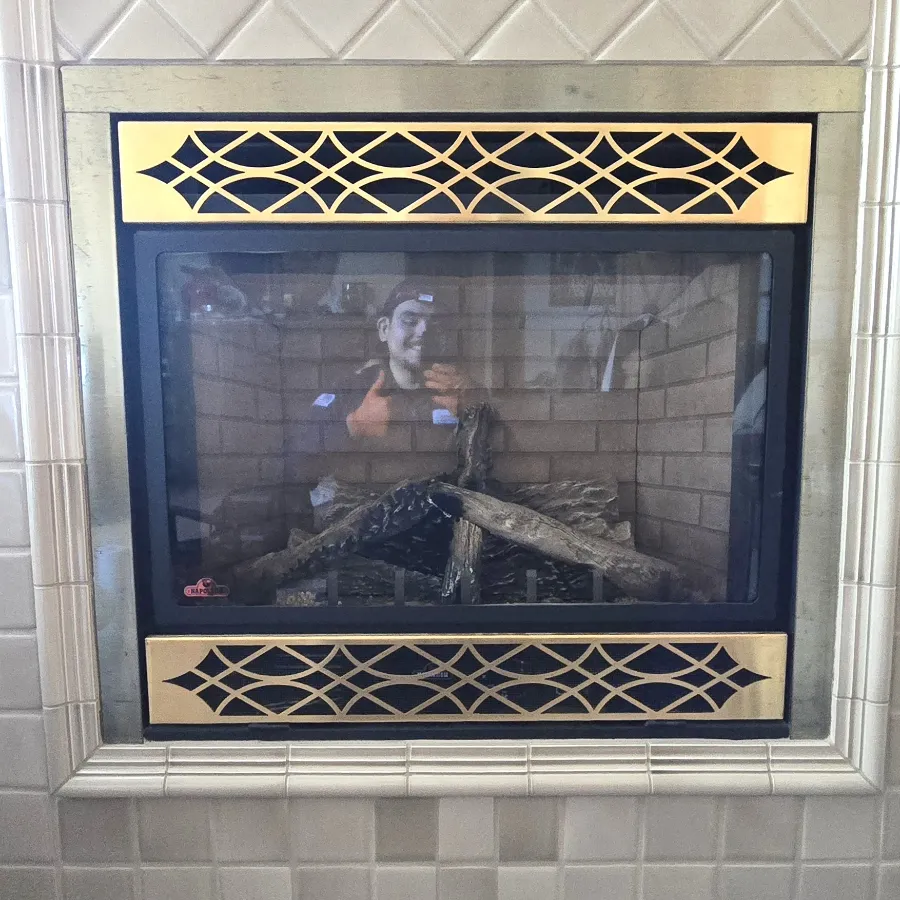
Out on acreage toward Oso or up Arlington Heights Road, a propane stove is often the warmest spot in the house and the first thing switched on each morning. We service the burner, ignition, blower and venting so it keeps up all winter.
Won't relight after the tank ran dry
Burner lights late with a soft boom
Blower grinds, squeals or won't shut off
Pilot blown out on gusty nights
When a tank runs dry, air can get into the lines, and the pilot can’t hold a flame until it’s purged. Have the tank refilled and the system checked, then call us if the pilot keeps dropping out.
Strong gusts across the vent cap can push back on a weak pilot, and a dirty pilot hood or low flame makes it worse. We clean the pilot, check the termination and confirm the flame wraps the sensor.
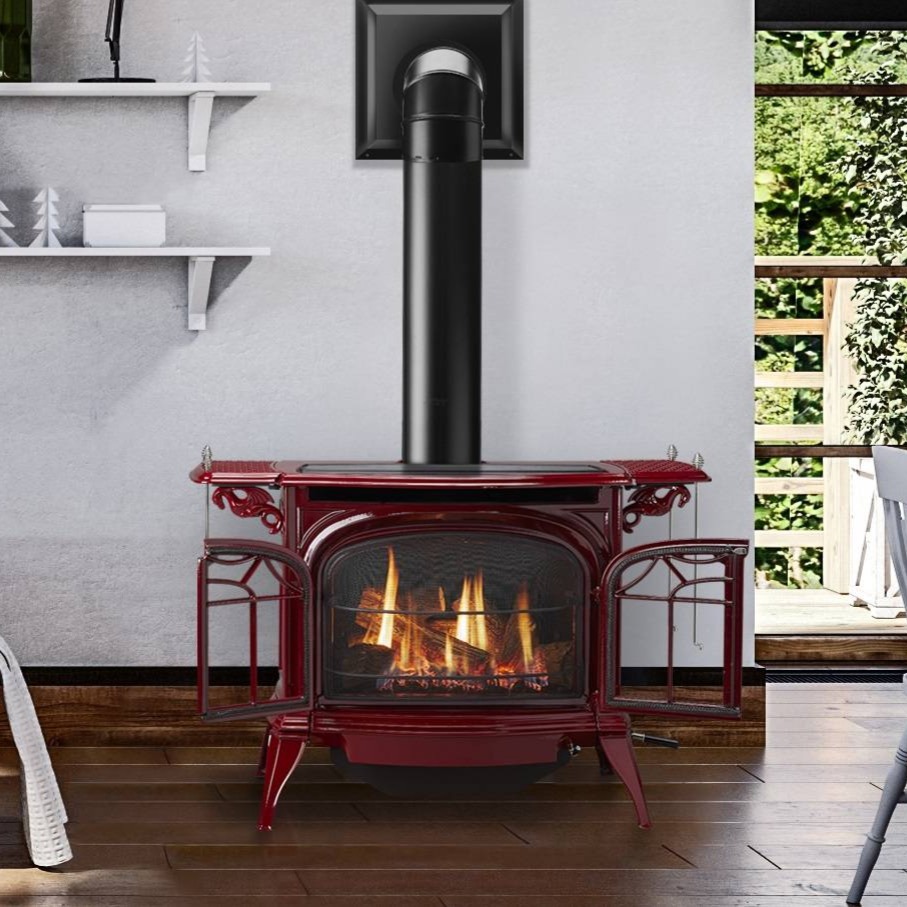
Plenty of 1980s and 1990s Arlington homes came with a wood fireplace that later got a gas log set. These sit in an open firebox, so log position, burner ports and the pilot all affect how cleanly they burn and how easily they light.
Soot streaks forming on the ceramic logs
Key valve or remote does nothing
Embers that no longer glow
Pilot that's hard to reach and harder to light
Not a lot. A vented log set is mostly about the look, since much of its heat goes up the flue. If you want real warmth from that fireplace, a sealed gas insert does far more.
It’s not a good idea. Each set comes with a layout diagram, and logs placed off it can block flame paths and build soot. We put them back to the diagram and refresh the embers.
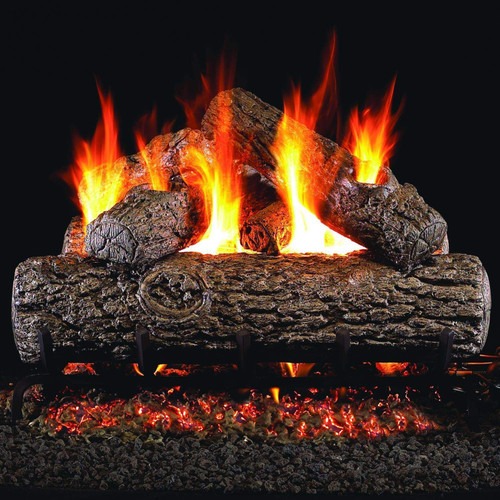
Close to 46 inches of precipitation falls on Arlington in an average year, and a patio fire feature takes every drop. Water pooling in the burner pan, soggy fire glass and rusty igniters are what usually keep one from lighting.
Igniter clicks, burner stays dark
Fire glass or lava rock holding water
GFCI outlet trips after a downpour
Flame lifts or dies in a breeze
Water trapped in lava rock or fire glass turns to steam and can throw bits of media. Let everything dry out, keep it covered between uses and make sure the burner pan can drain.
Check the GFCI outlet feeding it first and press reset, since rain often trips it. If the outlet is fine, moisture may have reached the igniter or control module, and that part is a job for us.
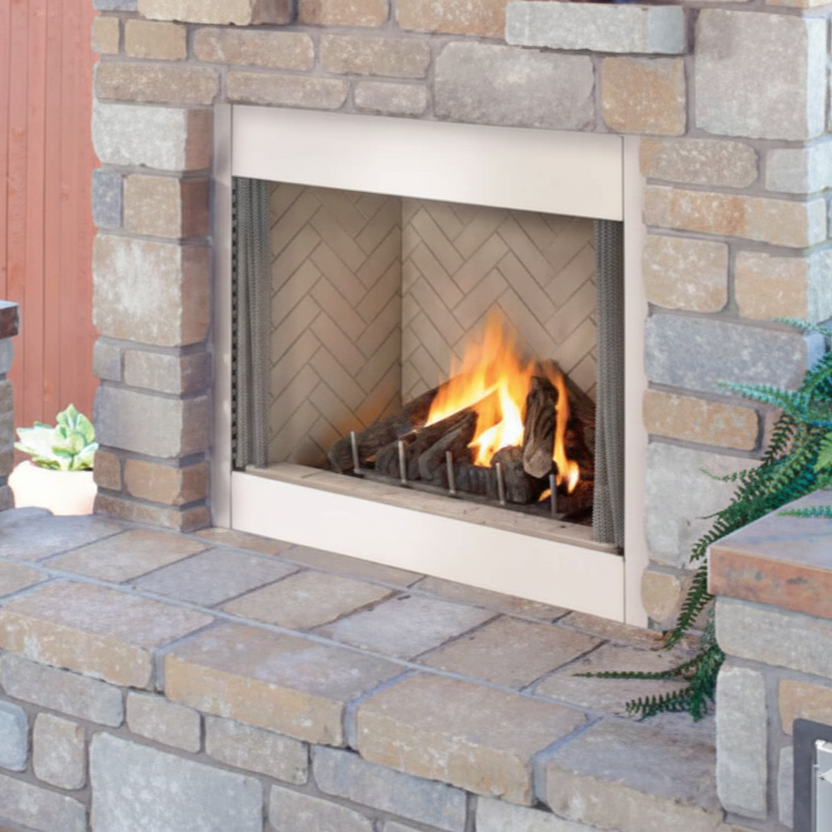
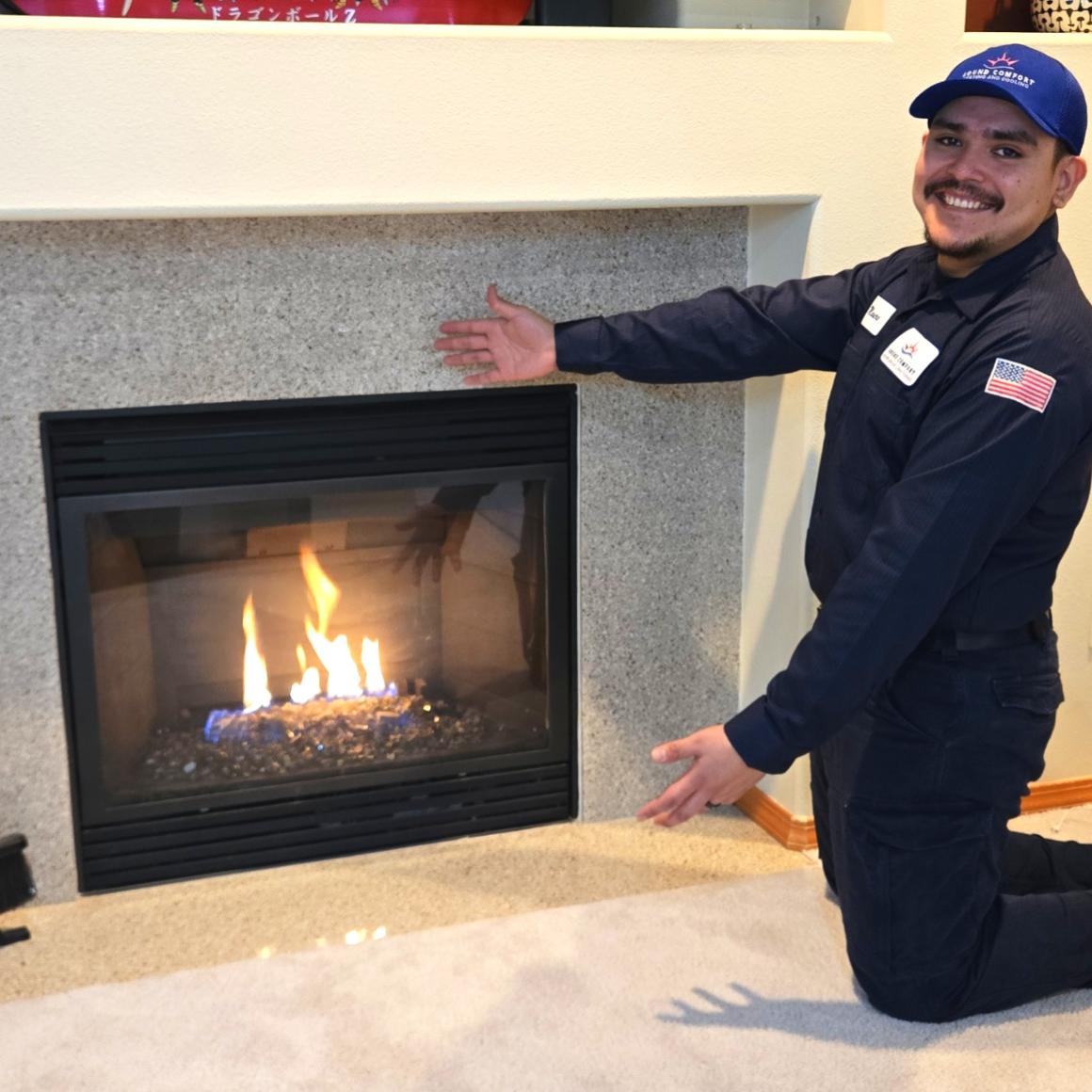
Tell us what the fireplace is doing, whether it's clicking, dead or burning dirty. We'll set a time that suits you.
We find the fault, show you the failed part and give you a price. Nothing gets repaired until you say go.
We fix it, run a full burn test and clean up, leaving you a fire that's ready for the wet months.
A gas fireplace usually gives a few warnings before it quits for good, and in Arlington they tend to show up right as the first big storm rolls in. Catch them early by watching for:
A pilot flame that looks small or flickers
Flames turning yellow, tall or smoky
Clicking, delays or a thump at startup
A film on the glass that keeps coming back
Smell gas? Don’t touch the fireplace or any switches. Get everyone outside, then call 911 or your gas utility (PSE or Cascade Natural Gas) or your propane supplier. We’ll take the repair once they say it’s safe.
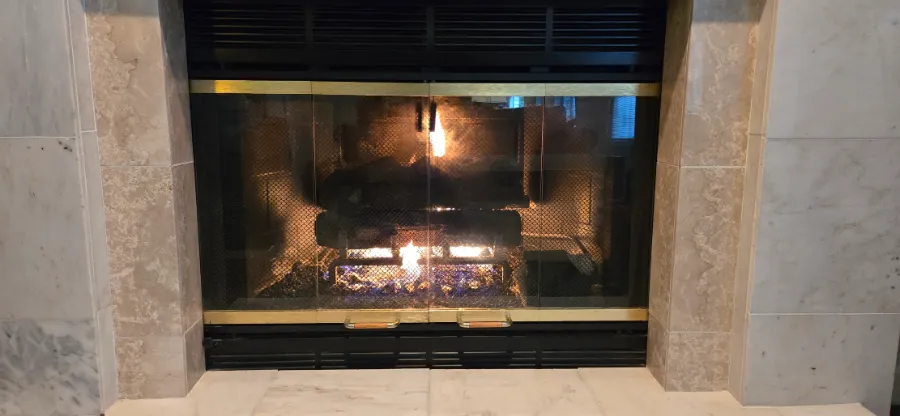
Heavy rain, gusty wind and the odd hard freeze all wear on a fireplace. These four habits keep yours lighting reliably between professional tune-ups.
Walk outside and look at the termination each fall. Birds, wasps and blown leaves like the opening, and a blocked cap can snuff the pilot or push exhaust back inside.
On tank-fed homes, check the gauge before the stormy months. Running out means relighting every pilot, plus a system check, before the stove will run again.
Run the fireplace for a few minutes on a dry September afternoon. A slow start or a weak, yellow flame is much easier to sort out before the first freeze.
With the unit off and cool, vacuum the grille under the firebox. Dust and pet hair there choke the blower and can reach the pilot area.
Sealed gas fireplaces vent outdoors. A cracked glass panel, worn gasket or nest in the vent cap can let carbon monoxide into the room instead. Keep CO alarms on every level and outside bedrooms, and never run a generator or grill indoors during an outage. If an alarm sounds, move everyone into fresh air and dial 911.
Your yearly tune-up cleans the burner and pilot, tests the ignition and checks for gas leaks and CO, so your fireplace is ready before the wet season settles in.
Just want a one-time fireplace tune-up before winter? Book online or call, no plan needed.
It depends on your side of town. The city’s planning documents show Cascade Natural Gas north of SR 531 and PSE to the south, and many rural homes run on propane. PSE’s gas emergency line is 1-888-225-5773; Cascade’s is 888-522-1130.
Yes. A gas fireplace or stove in a manufactured home must be a model listed for that use, so replacement parts have to match it. We repair ignition, burners and venting in manufactured homes across Arlington.
Check behind the lower grille. A gas valve knob marked OFF, PILOT and ON means a standing pilot, which lights without house power. No knob, plus a control module plugged into an outlet, usually means electronic ignition.
Yes. We work all over town, including Smokey Point, Gleneagle, Kent Prairie, Crown Ridge, Island Crossing and the rural roads toward Oso and Arlington Heights. Same-day visits are usually open, though we never promise an exact arrival time.
We don’t guess over the phone. After testing, we explain what failed and quote the fix, and you decide whether to go ahead. For bigger repairs, Wisetack financing is available to qualified buyers.
You can, and it saves a little gas, but spiders and dust like to move into a cold pilot. Plan a fall test run, and if the pilot won’t hold, see our page on fixing a pilot light that won’t stay lit.