- 100% Satisfaction Guarantee
- 0% Financing Available
- 24 HR Emergency Service
- 5-Star rating
Fireplace won’t light on a cold, foggy night? We offer gas fireplace repair in Stanwood for Cascade Natural Gas homes in town and propane setups out toward Warm Beach and Lake Goodwin. You’ll know what failed and the price before we start.
A gas fireplace has a pilot, a valve and a vent, like a furnace. We also handle furnace repair in Stanwood, so one call covers the house.
We repair what can be repaired. If a part is discontinued or a fix isn't worth it, you'll hear that plainly before spending anything.
We explain what failed and what the repair costs, in plain numbers. Nothing starts until you approve the price.
Thermocouples, thermopiles, igniters and pilot parts ride along, so many repairs finish on the first visit, even out past Silvana.
Homes here burn Cascade gas or a propane tank. We work on both fuels and test pressure against your fireplace's rating plate.


 Trustindex verifies that the original source of the review is Google.
 Trustindex verifies that the original source of the review is Google.
 Trustindex verifies that the original source of the review is Google.
 Trustindex verifies that the original source of the review is Google.
 Trustindex verifies that the original source of the review is Google.
 Trustindex verifies that the original source of the review is Google.
 Trustindex verifies that the original source of the review is Google.
 Trustindex verifies that the original source of the review is Google.
Stanwood houses run from early downtown homes to 1990s subdivisions and rural properties on tanks. Choose your fireplace type to see what usually goes wrong and why.
Older houses in East Stanwood and near downtown often have a masonry opening with a gas insert tucked inside. Inserts run hot inside a tight box, so the thermopile, blower and gaskets wear first. The result is a fire that fades or shuts itself off.
Burner shuts off after twenty minutes
Insert blower humming or silent
Pilot flame weak or yellow
Gasket leaking around the door
A tired thermopile or a high-limit switch is the usual cause. Both react to heat, so the fire runs fine cold and drops out as the box warms. We meter them while the unit runs.
A rumble or squeal usually means worn bearings or dust in the blower. It’s worth fixing before the motor seizes and the unit runs hot.
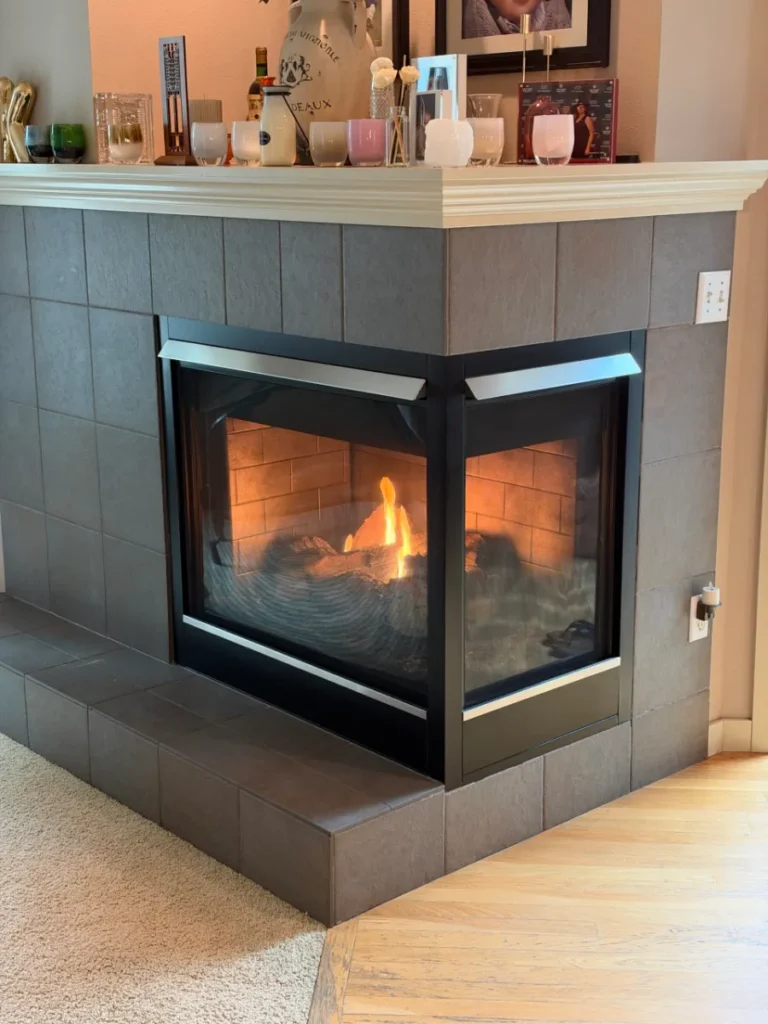
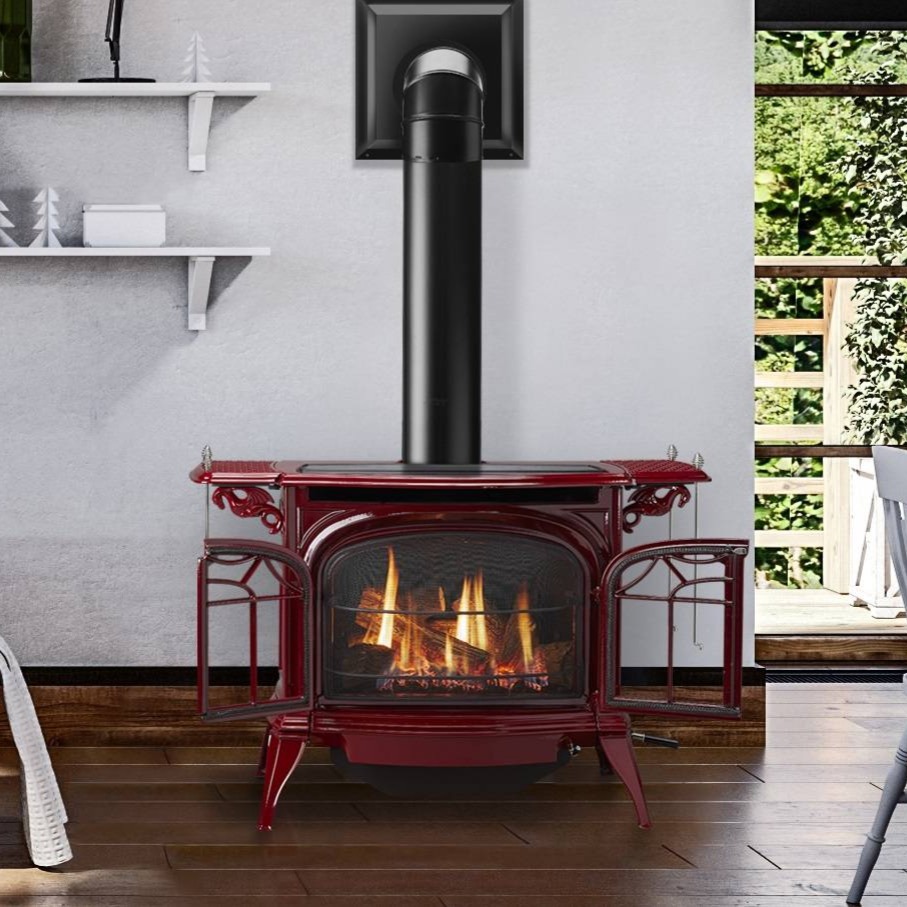
Gas stoves warm family rooms, shops and lake cabins around Stanwood, many on propane. A stove with a standing pilot keeps heating without electricity, which matters after a delta windstorm, though its blower won't run.
Less heat than it gave last winter
Wall switch or remote ignoring you
Hazy white film on the glass
Orange flame with a gas smell
Soot on the burner or a partly blocked orifice can shrink the flame, or the regulator has weakened. We clean, read pressure and test the blower before replacing any part.
That residue comes from the burner and the air it draws in. Left alone it bakes on. We clean it and look for the cause so it doesn’t return.
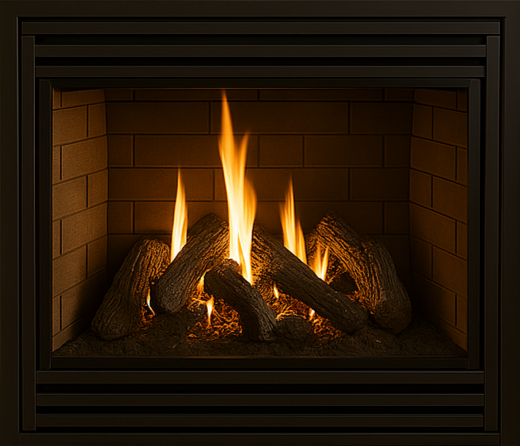
Log sets sit in older masonry fireplaces and look best when the logs are placed correctly. A small shift can block burner ports and produce soot, odors or a lazy flame, so placement matters as much as the valve.
Sooty flame and black-streaked logs
Pilot lit but main burner dead
Logs moved after cleaning
Delay and a thump at ignition
Logs touching the flame or clogged ports starve it of air. We reset the logs to the maker’s layout, clean the ports and adjust the air so it burns cleaner.
Gas is collecting before it ignites, often from a weak pilot or dirty ports. It’s worth checking promptly since delayed ignition is hard on glass and parts.
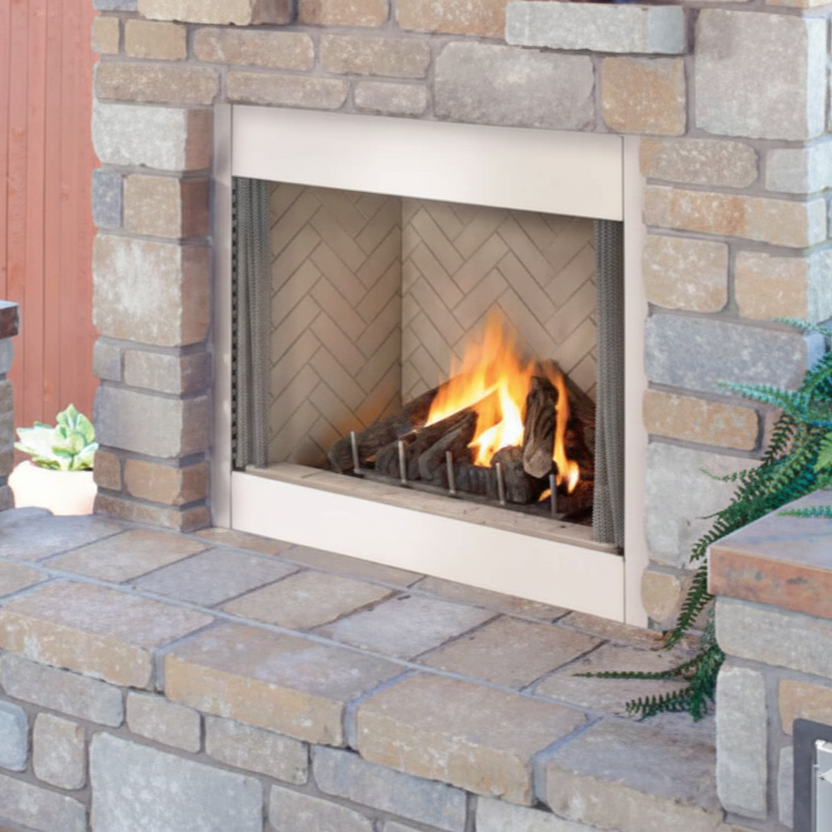
Patio fireplaces and fire tables sit in coastal mist and bay wind all winter. Spiders, rain and salty air get into burners and igniters, so many won't light when you want them on the first warm evening.
Clicks, but no flame appears
Flame low and wandering in wind
Corroded burner or igniter
Propane tank connection leaking
Spider webs, moisture and corrosion on the igniter are the usual suspects. A good cleaning plus an igniter test gets most fire tables going again.
A soapy-water test will show bubbles at a leak, but smelling gas means shutting the tank valve and staying away. We can pressure-test the whole line.
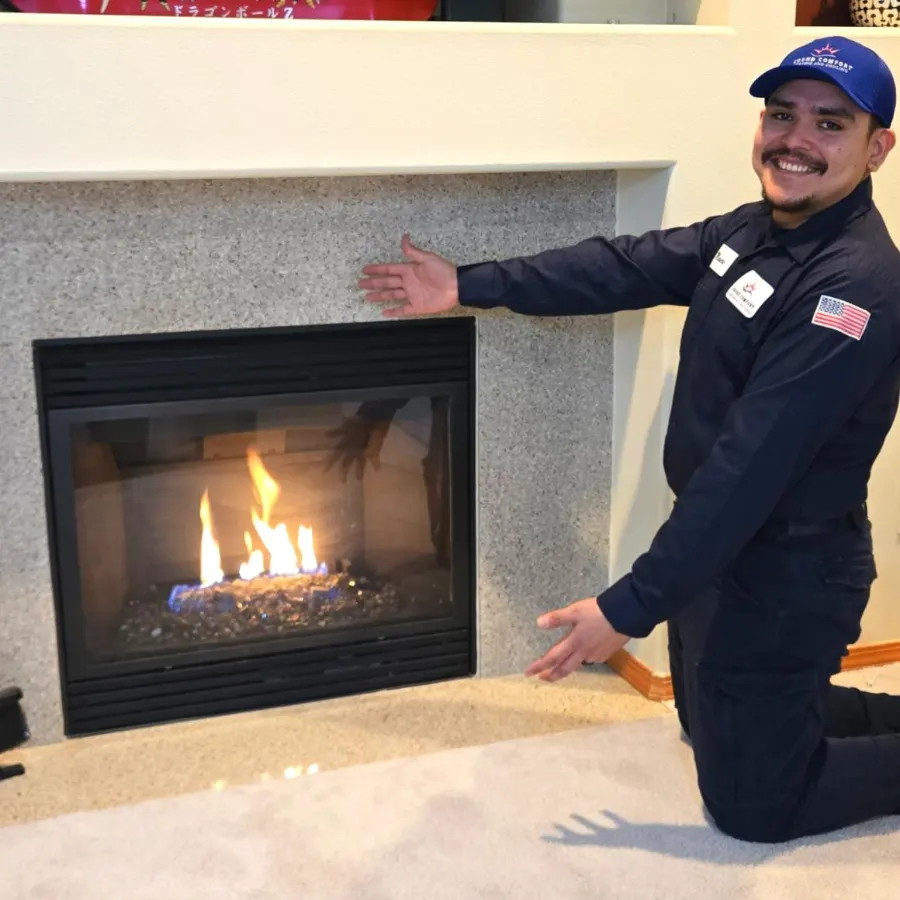
Phone us or book online. Share your fuel type and what the fire is doing, even if it's only a click.
A licensed tech finds what failed, explains it, and quotes the repair. We begin only after you agree.
We repair it, run a full burn cycle with you, and check for gas leaks before we pack up.
Fireplaces usually give warnings before they stop working. If your hearth is the backup when the power goes out in a Stanwood windstorm, fix these early so it’s ready when you need it.
Pilot goes out more than once
Burner lights late with a thump
Soot or film building on glass
Water has reached the controls
Smell gas? Don’t light anything or flip switches. Get everyone out, then from outside call 911 or Cascade Natural Gas at 888-522-1130. On propane, call your supplier too. When it’s safe, ring us at (425) 225-4756.

Damp air, windblown debris and long outages are rough on a hearth. A few quick habits keep yours dependable between visits.
Before the first cold snap, light the fireplace and watch the flame for a few minutes. A weak, yellow or flickering pilot is a sign to call, not to wait.
Walk outside and look at the vent termination. Leaves, nests and cobwebs can partly block it, and a blocked vent starves the flame and can push exhaust back inside.
Hold furniture, laundry racks and decorations away from the glass. Your manual lists safe distances, and they matter more than appearances.
Locate the gas valve for the fireplace before you need it. Everyone in the house should know where it is and how to close it.
Carbon monoxide has no smell or color. A cracked glass front, a failed gasket or a clogged vent can let it into the room. Install CO alarms on every level and outside sleeping areas, and test them monthly. A sounding alarm means everybody goes outside and someone dials 911.
Schedule it in early fall, ahead of the first Fraser River cold snap. We clean the burner and pilot, test the sensors, check the vent and leak-test every fitting.
Prefer a single visit? Call us or book online whenever you like.
Yes. Many rural and lake properties sit beyond gas mains and use tanks. Propane runs at a different pressure than natural gas, so we test against your rating plate.
Not until it’s inspected. Gas valves and controls that were underwater can fail unpredictably, so have them checked or replaced before you light the fire again.
Some with a standing pilot keep burning without power, though the blower won’t run. Ask us about your model so you know what to expect before a storm.
It depends on the part and the labor, and we give you a firm price before starting. You approve it first, and if you decline, we don’t proceed.
We work on most major gas fireplace, insert and log set brands, such as Napoleon, Heat & Glo, Regency, Majestic and Montigo. Tell us your model when you call.
No. We focus on gas fireplaces, inserts, stoves, log sets and outdoor gas fire features. Wood-burning units and chimney work are outside what we do, so we can’t help there.