- 100% Satisfaction Guarantee
- 0% Financing Available
- 24 HR Emergency Service
- 5-Star rating
IntelliFire module flashing, pilot refusing to catch or a remote that went silent? We handle Heat & Glo fireplace repair for homes across Snohomish County, from Lake Stevens to Lynnwood. Pricing is upfront, you approve it before we start, and our tech finds the real fault.







Heat & Glo builds sophisticated direct vent fireplaces with electronic ignition. When one stops working, you need someone comfortable with gas controls and low-voltage electronics both.
IntelliFire, IntelliFire Plus and IntelliFire Touch modules, pilot assemblies, flame sensors and valves are everyday work for our gas technicians.
Flash and LED patterns point toward a fault. We confirm with meter tests instead of swapping a module on a hunch.
Licensed, bonded and insured. We test gas connections, confirm a clean flame and look over the vent system before leaving.
We also repair furnaces, heat pumps and mini-splits. If another system needs attention, we can often look at it the same trip.


 Trustindex verifies that the original source of the review is Google.
 Trustindex verifies that the original source of the review is Google.
 Trustindex verifies that the original source of the review is Google.
 Trustindex verifies that the original source of the review is Google.
 Trustindex verifies that the original source of the review is Google.
 Trustindex verifies that the original source of the review is Google.
 Trustindex verifies that the original source of the review is Google.
 Trustindex verifies that the original source of the review is Google.
Heat & Glo sells gas fireplaces and inserts in many series, from Primo II and Escape to Twilight, Cerona and SlimLine. Most calls fall into four groups, outlined below with quick answers.
IntelliFire is an intermittent pilot system: the pilot lights only when you call for fire, then the main burner follows. That design saves gas, but it depends on a good spark, a clean flame sensor and a healthy module. A carbon-coated sensor alone can stop the burner from opening.
Pilot lights but main burner stays off
Repeated clicking, then lockout
Flash code on the control module
Fireplace works only some days
The module must prove the flame through the sensor rod before it opens the main valve. Carbon on the rod, a weak ground or loose wiring can break that proof, so we clean and test it.
They are fault signals, such as a wrong fuel setting, low igniter voltage or a valve that won’t open. The pattern depends on the model, so write down what you see and tell us when you call.
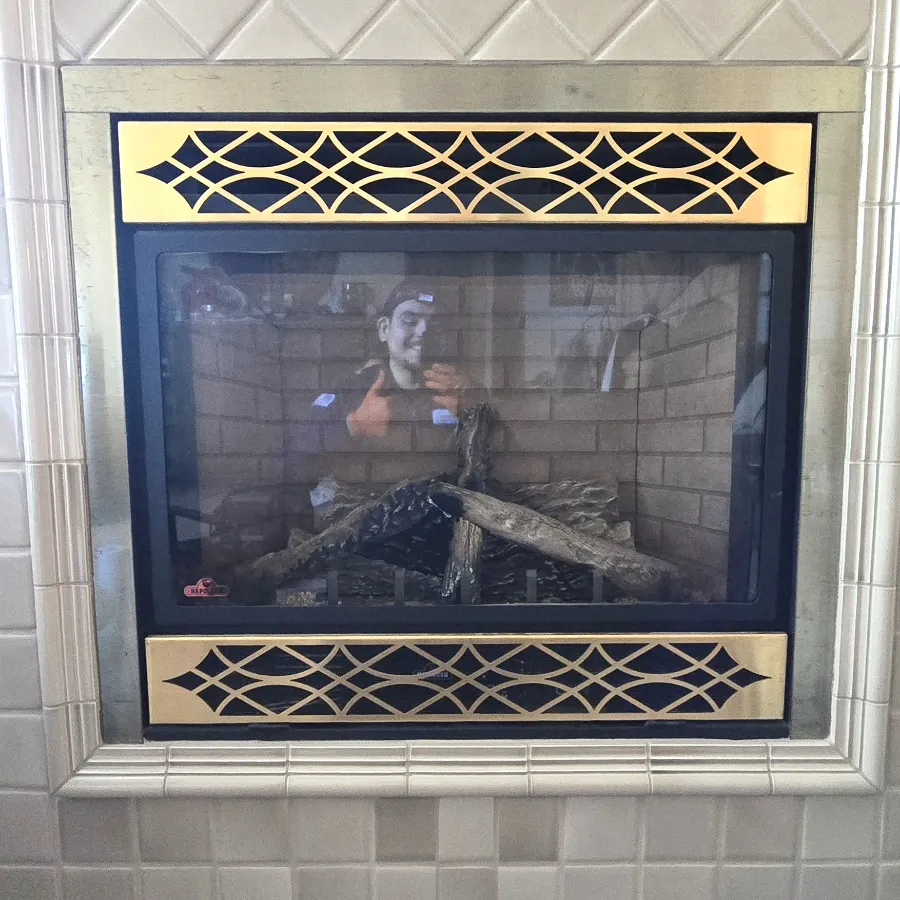
IntelliFire systems rely on household power with a battery backup, and the batteries sit in the control box near the lower controls. Dead cells, a failed transformer or a switch left in the wrong position cause a surprising number of no-start calls on otherwise healthy fireplaces.
Dead fireplace after a power outage
Backup batteries drained or corroded
Switch set to wrong position
Transformer or wiring problems
Many IntelliFire models switch to battery operation when power drops, usually with the control switch set to ON. Fresh batteries matter, and the blower may not run on backup.
No. Replace them yearly with fresh ones of the type your system uses, and remove them if directed once power returns. Corroded batteries can damage the contacts.
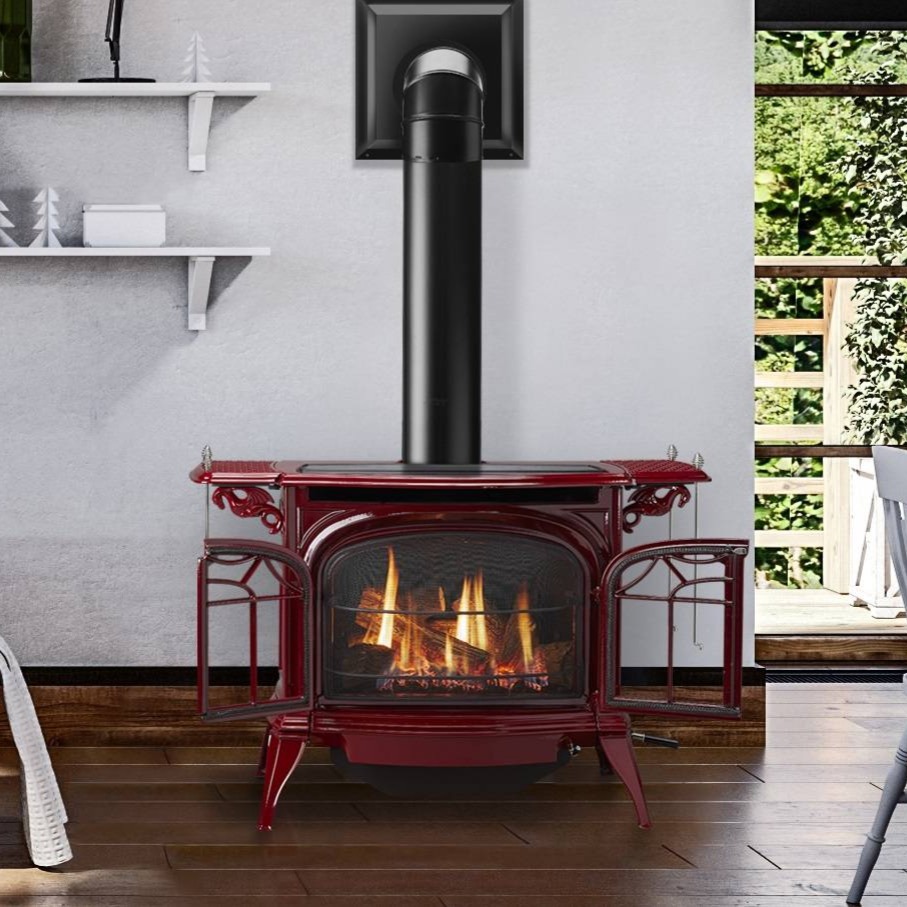
Newer Heat & Glo fireplaces use handheld remotes, touchscreen controllers and in some cases an app through a Wi-Fi module. When flame height, fan speed or on and off commands stop responding, the problem may be the remote, the receiver or the wiring behind the wall switch.
Remote does nothing
Fan or flame height not adjusting
Child lock or lockout confusion
App or Wi-Fi module offline
Start with new remote batteries and check the control switch. If the fireplace works at the wall but not the remote, the pairing or receiver is likely at fault, and we can test it.
Router changes, a new password or a weak signal near the fireplace can drop a Wi-Fi module. Reconnecting may help, and if it doesn’t, we check the module and its power.
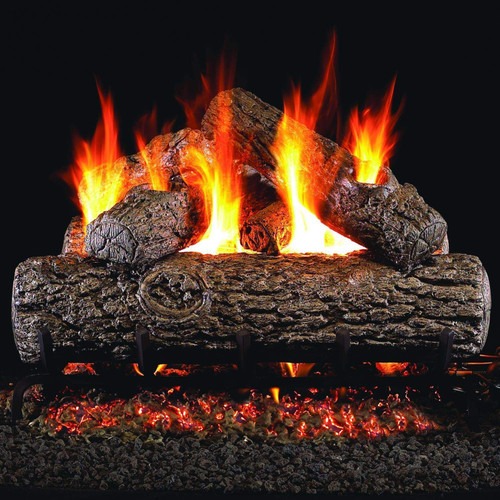
Many Snohomish County homes still hold Heat & Glo units from earlier decades, including older standing-pilot designs. Age brings worn thermocouples, hazy or cracked glass, tired gaskets and blowers that grind. Parts for some older models take effort to source, and we tell you what we find.
Hazy, filmy or sooty glass
Worn gaskets around the door
Noisy or failing blower
Standing pilot that keeps going out
Usually yes. We trace the fault first, then check parts availability before quoting. If a part is hard to get, we say so up front and talk through options.
Normal gas combustion leaves a thin deposit that bakes on over time. Clean it only when the glass is cool, with a cleaner made for fireplace glass, and tell us if soot appears.
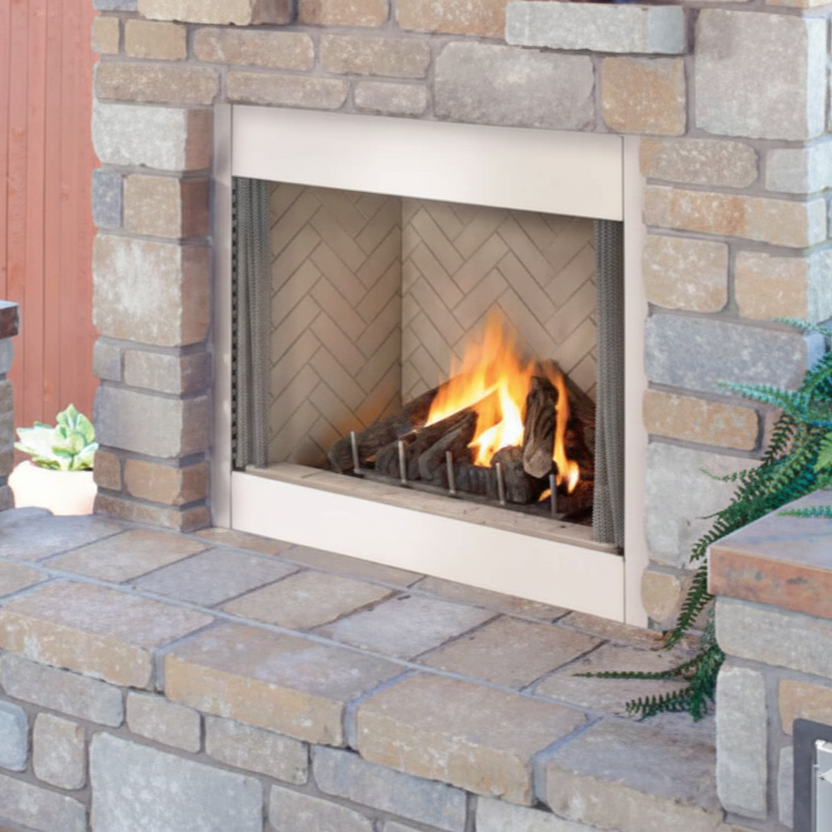
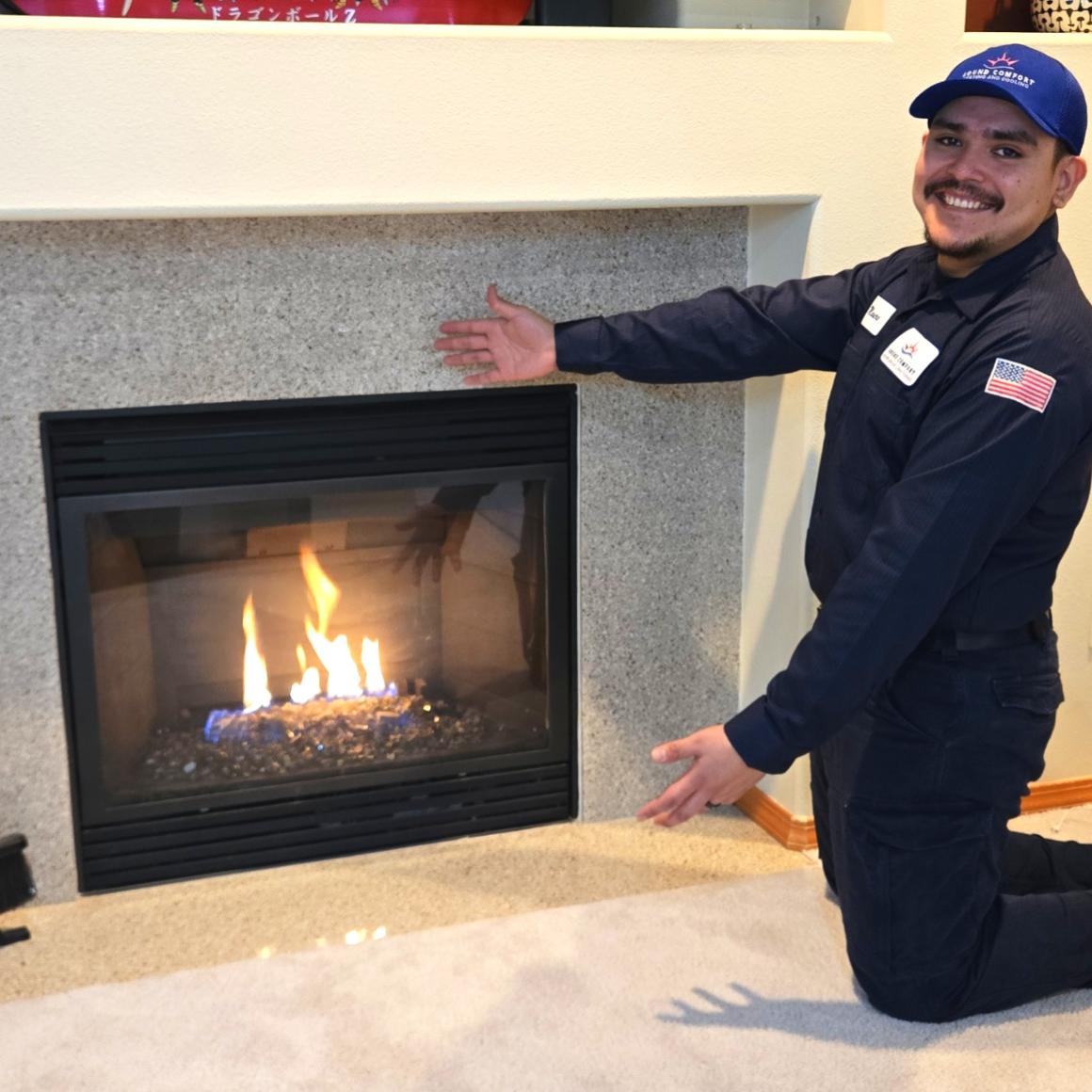
Give us your model name if you know it and describe the flashing lights or symptoms. We pick a visit time that fits.
We test the system, explain what failed and quote the repair. Nothing happens until you tell us to go ahead.
We finish the repair, run the fireplace through a full cycle, check gas connections and walk you through the controls.
Electronic fireplaces tend to warn you before they quit. Slow starts, odd clicking and repeated lockouts all signal wear in the ignition, sensor or valve. A small repair now can spare you a cold evening when guests are due.
Module flashing the same pattern repeatedly
Pilot lights, then burner never follows
Fireplace needs several tries to start
Cloudy glass, soot or burning smell
Smell gas? Don’t try to light the fireplace or touch switches. Get everyone outside, then call 911 or your gas utility. Puget Sound Energy is 1-888-225-5773. When it’s safe, call us at (425) 225-4756.
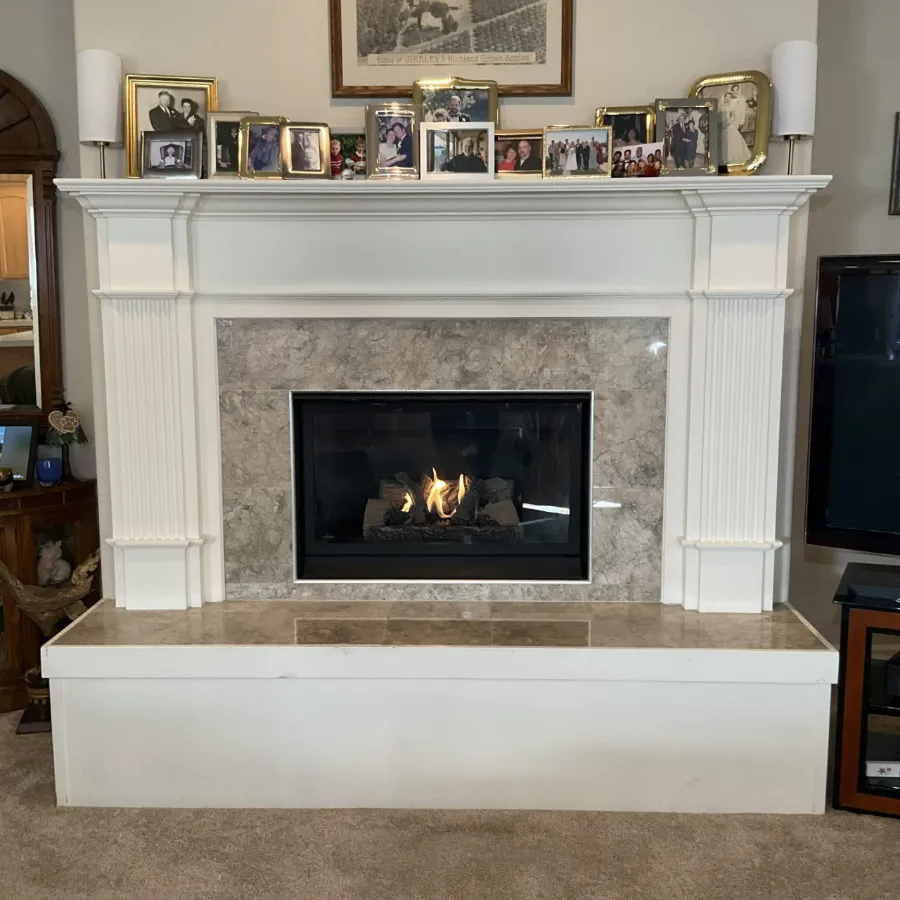
Electronic ignition is dependable when the basics are kept up. A few habits protect the module, the sensor and the glass between professional visits.
Change the backup batteries in the control box each fall, using the type your system calls for. Weak cells are a leading cause of lockouts and no-starts.
Dust and pet hair collect near the burner and sensor and can disturb ignition. Have the area cleaned during a yearly service rather than reaching in yourself.
Clean only when cool, using a product made for fireplace glass. Skip abrasives and household sprays, which can etch the surface or bake into a film.
Run the fireplace from the remote and the wall switch early in the season. If one works and the other doesn't, you've found the failing piece before you need it.
Direct vent fireplaces send exhaust outdoors, but a damaged vent, cracked glass or poor flame can still affect the air inside. Keep a working carbon monoxide alarm on every level and near bedrooms, test it monthly, and have your fireplace and venting checked yearly.
A yearly visit cleans the pilot, sensor and glass, checks batteries and venting, and tests gas connections so your fireplace is ready the first time the weather turns.
Prefer a single tune-up this year? Book one online or give us a call.
Yes. We serve Snohomish County broadly, including Lake Stevens, Everett, Marysville, Lynnwood, Snohomish and Monroe. Call with your address and we’ll confirm a visit time that works for you.
IntelliFire is Heat & Glo’s electronic ignition. It lights the pilot only when you want a fire, so a failing igniter, sensor or module keeps the fireplace from starting at all.
Turning the control switch off and on, or fresh batteries, sometimes clears a one-time lockout. If the same fault returns, something is actually failing, and repeated resets only delay the repair.
That narrows it to the remote, its batteries or the receiver pairing. The ignition system itself is probably healthy, which usually makes this a quick and inexpensive fix.
If it lights and burns normally, yes. If you see soot, smell burning or gas, or the glass is cracked, shut it off and wait. Never override safety controls to force a flame.