- 100% Satisfaction Guarantee
- 0% Financing Available
- 24 HR Emergency Service
- 5-Star rating
Pilot light won’t stay lit after you release the knob, or keeps dying overnight? The usual culprits are a tired sensor, a dirty pilot or a draft at the vent. We find which one, quote the fix upfront and usually reach Snohomish County homes the same day. Call (425) 225-4756.






A pilot that drops out means the safety valve is acting on a weak signal. We find why, whether it’s in a 1990s Monroe home or a 1950s Shoreline rambler.
Thermocouples and thermopiles get tested with a millivolt meter, so you pay for the part that actually failed instead of a string of hopeful swaps.
Standing pilots, intermittent pilots and continuous pilot modes each fail in their own way, and we work on all three across most major brands.
A pilot snuffed by wind or a blocked cap won't be cured by a new thermocouple, so we check the vent cap during every diagnosis.
You see what failed and the upfront price before we replace anything. If a careful cleaning solves it, that's the repair you approve.
EXCELLENT Based on 210 reviews
 Posted on Google
 John OwensService was awesome. Fast and efficient and Mauro was a delight to work with. I would recommend them to everyone!Posted on Google
 Mike SloyFantastic service. My fireplace is now in perfect condition. I can’t say enough about this company, and Mario.Posted on Google
 Melissa GravesGreat job! Very nice.Posted on Google
 Judy SloanHannah was awesome to schedule with! Great service all around!Posted on Google
 James AndrewsOur technician, Mauro was fantastic. Pricing up front, great communication, and my fireplace is as good as new. Thank you Sound Comfort, and great job Mauro.Posted on Google
 Sarah EnaMauro was incredible. Super personable, explained things in a clear way, and did great work on our old furnace. Would highly recommend!Posted on Google
 J. WhiteExceptional work! The service was great and our fireplace is as good as new. Thank you Mauro!Posted on Google
 Matt SmytheFantastic service. Service was quick and they kept me informed on what they were doing. Mauro was friendly and didn’t try to upsell any services that weren’t requiredVerified by TrustindexTrustindex verified that these reviews were published on Sound Comfort Heating and Air Conditioning's Google Business Profile. Learn more
Pilot trouble falls into four groups. Your system type matters too: a standing pilot leans on a thermocouple or thermopile, while an intermittent pilot relies on a flame sensor and electronics.
On a standing pilot, the flame heats a thermocouple, which makes a small voltage that holds the pilot valve open. Many fireplaces also have a thermopile, a bigger generator that powers the main burner. A worn thermocouple lets the pilot light while you hold the knob, then drop when you let go.
Pilot drops when you release the knob
Thermocouple reading under about 18 millivolts
Thermopile too weak to run the burner
Loose or dirty lead at the valve
With a meter. Fireplace manuals call for at least 18 millivolts from a thermocouple, and a common thermopile spec is 325 or more with only the pilot burning. A strong flame with weak numbers points to the part itself.
We’d steer you away from it. On most sealed fireplaces it means removing the glass and working at the gas valve, then leak-testing. A wrong part or loose fitting turns a nuisance into a hazard.
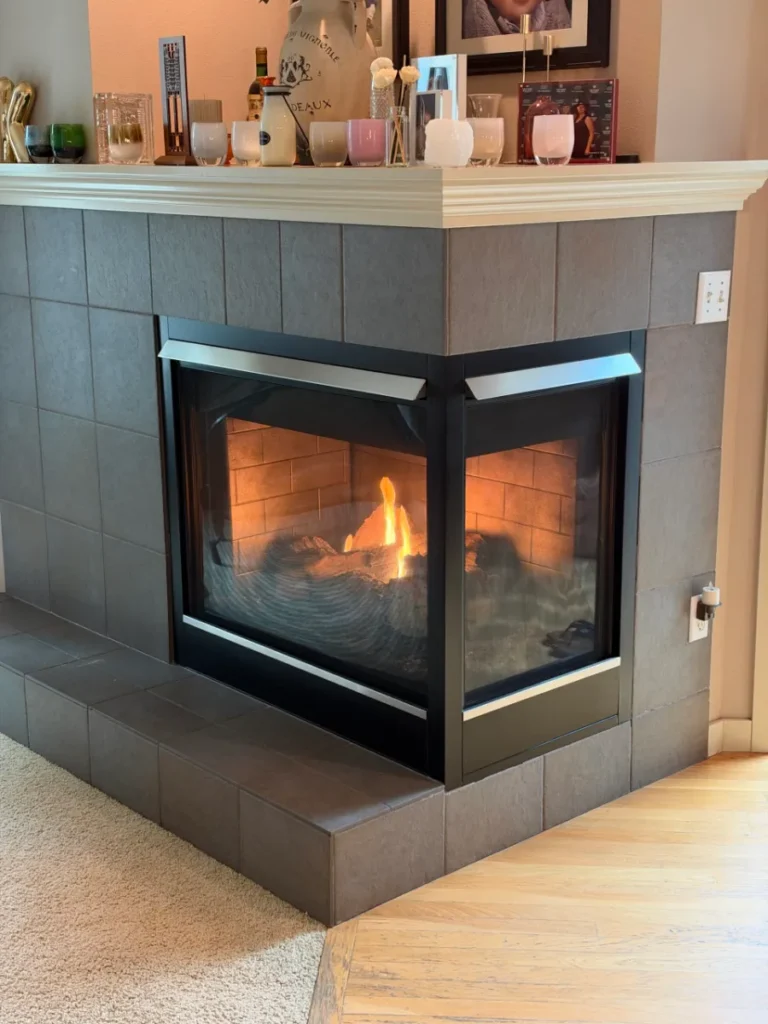
Gas reaches the pilot through an orifice about the size of a pinhole, and a metal hood aims the flame at the sensor. Dust, lint or soot on either one shrinks or bends that flame. The sensor cools a little, the signal sags and the valve closes. Careful cleaning usually restores it.
Pilot flame small, weak or wavering
Spider webs in the pilot tube
Flame not wrapping the sensor tip
Carbon on an electronic flame sensor
Steady and mostly blue, wrapping the top 3/8 to 1/2 inch of the thermocouple and engulfing the thermopile tip. A flame that’s small, floppy or pointed away can’t keep the sensor hot enough, even when the part is fine.
Over a quiet summer, spiders like to build in pilot tubes and orifices, and dust settles on the hood. The pilot then comes back small or crooked and can’t hold the valve open. A professional pilot cleaning usually solves it.
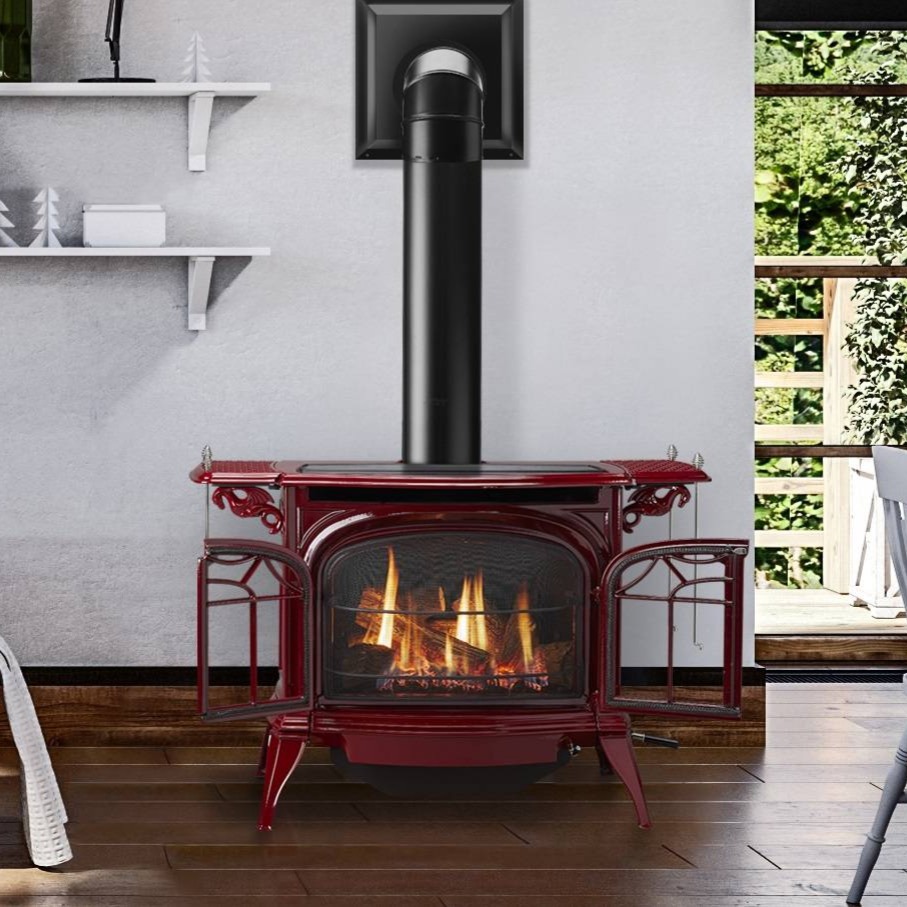
A pilot is a small flame, and moving air can push it off the sensor or snuff it. Trouble tends to show up in windstorms or after a nest, wet leaves or a snow drift blocks the vent cap. Older natural-draft units can also lose the pilot to strong exhaust fans.
Pilot goes out on gusty nights
Nests, leaves or snow at the cap
Exhaust fans pulling on natural-draft units
Vent-free ODS pilot cutting the gas
It can. A direct vent unit breathes through its outside cap, and hard gusts across it can push the pilot off its sensor. Exposed lots, like Mukilteo bluffs or open farmland near Stanwood, are the most likely to notice.
Yes. Bird nests, wet maple leaves and the odd convergence-zone snow drift can choke a cap, and a bent shield after a windstorm does the same. Don’t keep relighting; a blocked vent is also a carbon monoxide concern.
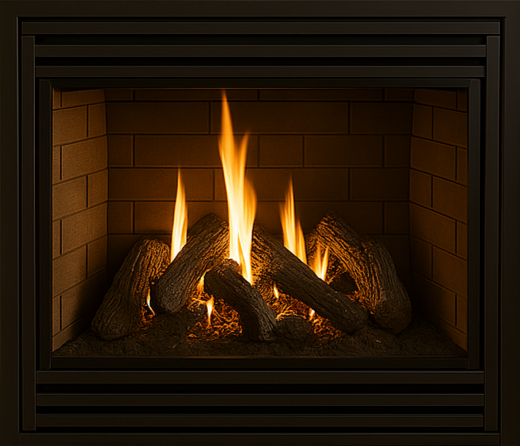
Sometimes the sensor is fine and the flame is clean, but the valve can't hold. A worn pilot magnet inside the valve, low gas pressure, air trapped in the piping after a gas outage or an empty propane tank all starve or release the pilot. We confirm with a manometer before replacing a valve.
Valve magnet that won't hold
Supply pressure below the rating plate
Air in the line after service work
Propane tank running near empty
Whatever its rating plate says. Many natural gas fireplaces want roughly 3.5 inches of water column on the manifold side and propane units about 10, with a supply range listed too. We read both with a manometer and compare.
Usually not. Valves do fail, but the smaller parts around them are more common culprits. We rule out the thermocouple, pilot cleanliness, connections and pressure first, so a valve only gets replaced when testing proves it.
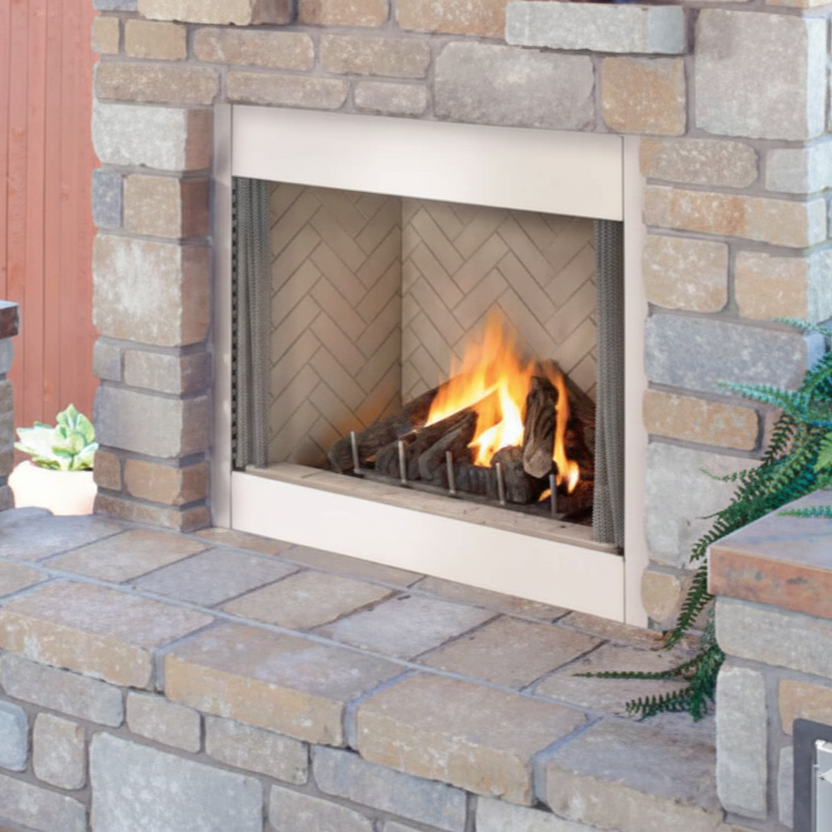
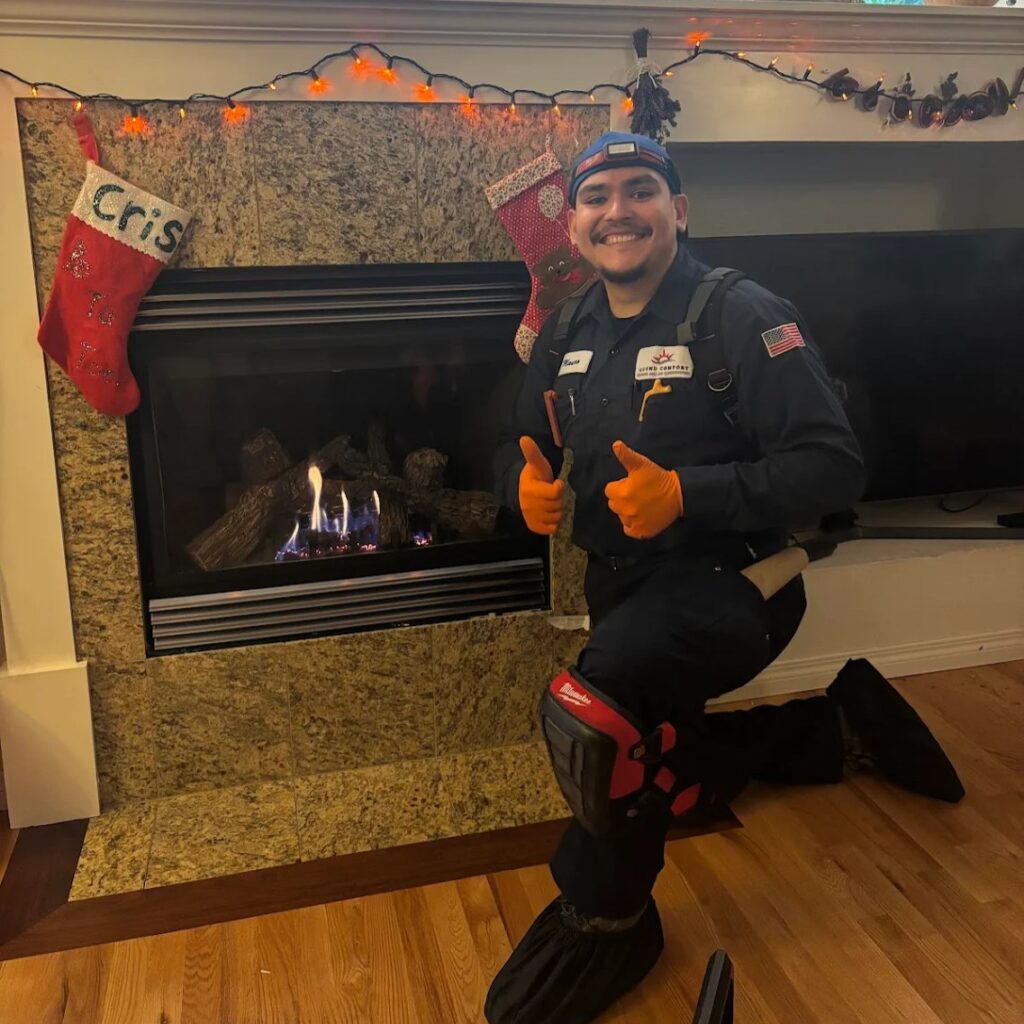
Let us know when it goes out: on release, overnight, when wind comes off the Sound, or when fans run.
We measure millivolts and gas pressure, inspect the vent, then show you the upfront price. You decide what happens next.
After the repair we cycle the fireplace several times, leak-check our fittings and confirm the pilot holds through each cycle.
Pilots tend to fade slowly, then quit all at once. These habits, plus a yearly maintenance plan visit, keep the flame healthy through a damp Puget Sound winter.
Through the glass, look for a steady flame touching the sensor. If it shrinks, turns lazy or wanders off to one side, book a cleaning before it drops out.
Note when the pilot goes out: time of day, weather, and whether fans or the furnace were running. That pattern cuts diagnosis time and often points straight at the cause.
Never wedge or tape a valve knob to keep a pilot going. The thermocouple's job is to shut the gas off when the flame fails, and defeating it is dangerous.
A yearly visit before the rainy season cleans the pilot orifice and hood, checks the vent cap and leak-tests the fittings, so the pilot starts winter strong.
A pilot that keeps getting pushed around can be an early hint of a venting problem, and venting problems are one way carbon monoxide gets indoors. CO has no color, taste or smell. Keep an alarm on every level and near bedrooms. If it ever sounds, take everyone outdoors, then call 911.
A pilot that went out once after a gas interruption may just need relighting by the label. A pattern is different. Across Snohomish County’s long heating season, these patterns tell us a part is failing:
Gas smell near the pilot? Don’t relight anything. Get everyone out, leave the switches alone, and once you’re in the driveway, call 911 or Puget Sound Energy (1-888-225-5773). We’ll handle the repair after the all-clear.
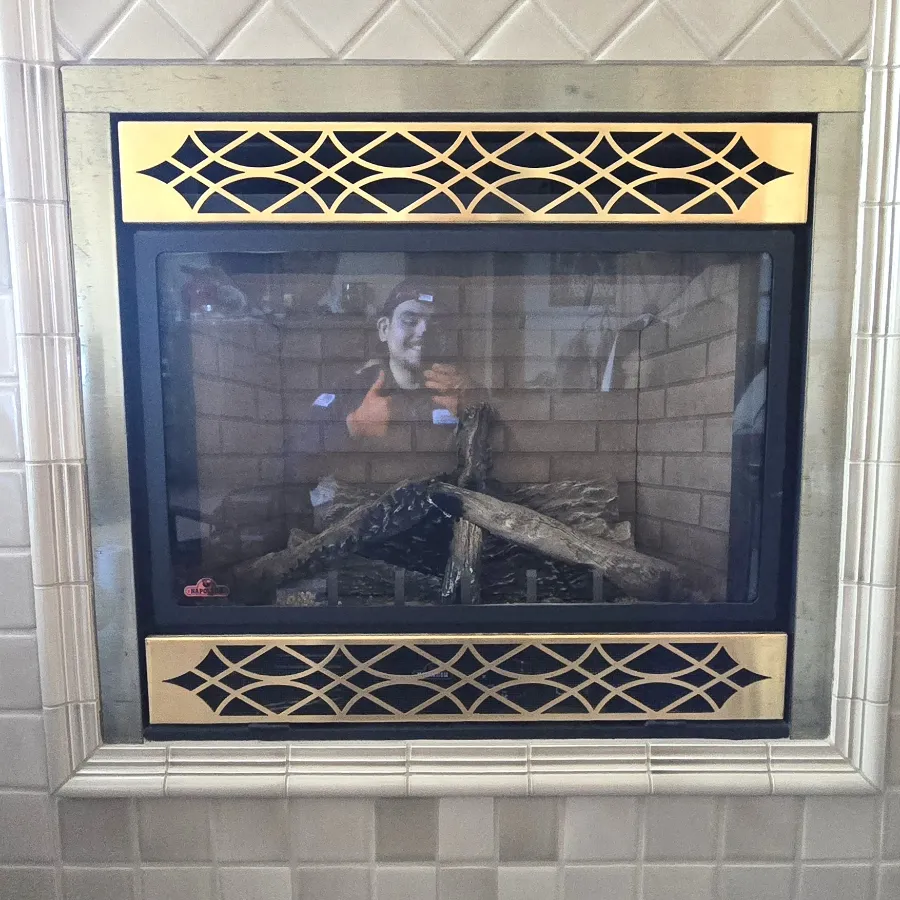
Your annual visit includes a pilot and burner cleaning, a vent check and a gas leak test, timed before the first cold, wet weekend of fall.
Prefer a one-time pilot cleaning and tune-up? Book it online or call us.
A standing pilot burns all the time and makes its own power, so it keeps working in an outage. An intermittent pilot sparks only when you turn the fireplace on and relies on house current or a battery backup. Many also offer continuous pilot mode.
That’s a safety interlock. Some valves block a relight until the thermocouple cools, often around a minute. Wait it out, follow the lighting label, and if the pilot dies again after two tries, call us.
If the old one tested weak, a new one typically fixes it. If the real problem is a dirty pilot, low pressure or a drafty vent cap, a new thermocouple fails the same way, so we fix the cause first.
After testing, our tech shows you the failed part and quotes one price for the whole job. You approve it before any work begins. If a simple cleaning solves it, you won’t be sold a new valve.
Not always. No flame and no spark often points to power, the remote or the gas supply instead. Start with our gas fireplace won’t light checklist, then call if you’re stuck.
Usually. We’re based in Lake Stevens, and we can often be there the same day anywhere in Snohomish County or north King County. Call (425) 225-4756 any time for a realistic arrival estimate.